The Southeast Japanese School and Community Center’s current facilities opened in 1977, just west of the organization’s original location, a schoolhouse built by volunteers in 1925.
The Southeast Japanese School and Community Center in Norwalk celebrated its 100th anniversary with a dinner on July 26.
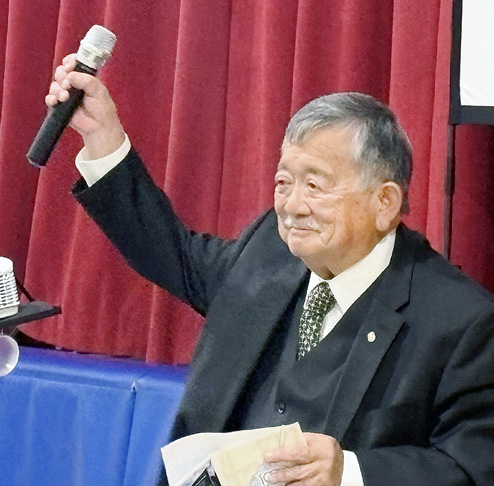
SEJSCC President Dean Wada served as master of ceremonies, giving the opening address and leading a silent tribute to members who have passed away.
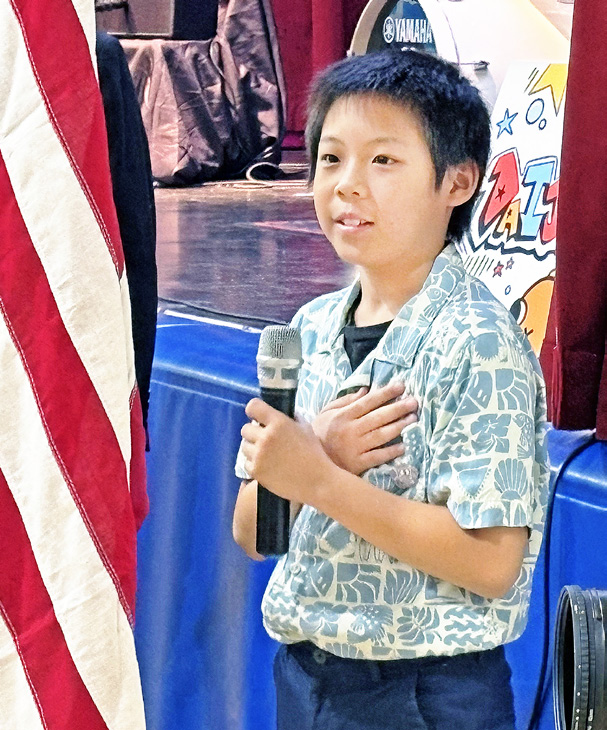
Oliver Takeuchi, a Japanese School student, led the Pledge of Allegiance. Former board member Toshi Teramoto introduced VIP guests and board member Masa Lau led the toast.
Past Japanese School PTA presidents in attendance were recognized for their leadership and hard work, which has kept the gakuen going to this day: Sumio Yasutake, Toshihiro Teramoto, Bob Yamada, Miwa Nakagawa, Ernie Nishii, Miki Suzuki, Carrisa Cordero and Karrie Takeuchi.
Long-term teachers were also honored for their devotion and dedication: Hitomi Nonaka (35 years), Yuko Watari (15 years) and Ritsuko Rowe (13 years).
The Dance Club recognized three members for over 40 years of dedicated service. Edna Kurihara and Helen Hikiji, both past presidents, managed weekly class registrations and organized the monthly dances, which benefited the center. Yuso Kurihara was the DJ for nearly 20 years at dances and practices. While Hikiji and Yuso Kurihara have retired, Edna Kurihara is still the welcoming presence at the reception table.
Other club leaders who were honored: Long Sheng Chang, Judo; Jean Kodama, Kendo; Ann Matsuoka, Norwalk Dance; Linda Reynolds, Taiko; Victor Chang, Norwalk Youth Sports; Joyce Sumimoto, Hula; Keawe Kamaki, Ukulele; Fukuyo Tanaka, Ikebana; Kimie Matsumoto, Japanese School; Lily Jang and Helen Hikiji, Seniors.

Filmmaker Jeffrey Gee Chin of Leap Man Productions showed a video he produced about the history of SEJSCC.
In addition to Chin, SEJSCC thanked the following for their support: Naomi Suzuki, J. Morey Insurance; Bon Koo, U.S. Bank; Dan and Susan Fukushima, Suburban Optimist Club; Katie Ikemoto, Yonsei; Tim and Sandy Itatani, East San Gabriel Valley Japaense Community Center; Sumio Yasutake, SY Nursery; Norio Uyematsu, co-founder of SEYO (Southeast Youth Organization) and VFW Youth Group; Clay Sakurao, OCO BBQ Crew; and Mutual Trading, which provided the Sho Chiku Bai sake cask.
Entertainment was provided by the Daijyokkei Band, featuring Sakura Fushimi (guitar), Ryan Tomoaki Matsumoto (bass) and Katilyn Natsumi Suzuki (drums). Gary Matsumoto provided background music during the social hour.

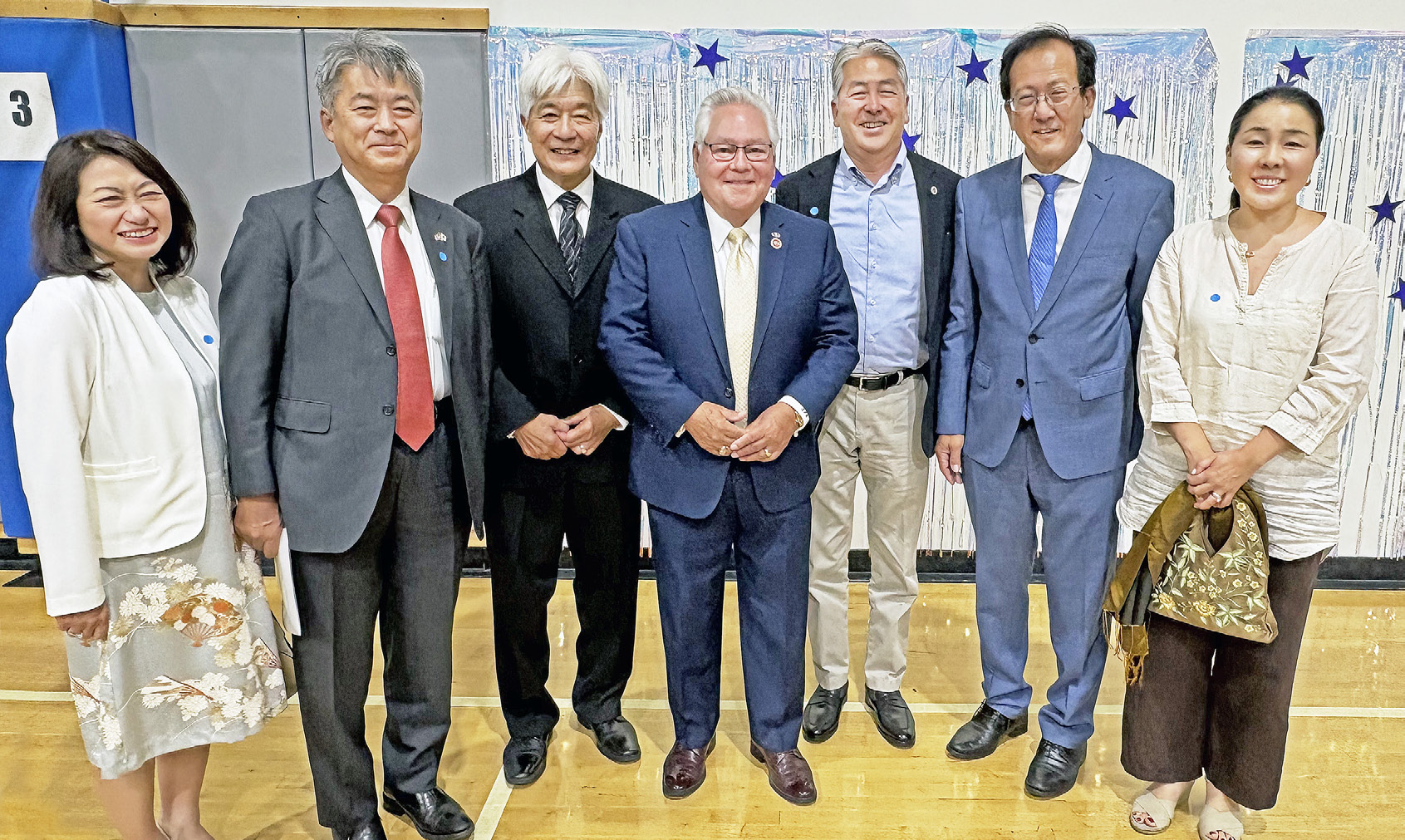
Dignitaries introduced by board member Ernie Nishii included Consul General of Japan in Los Angeles Kenko Sone, who would soon be returning to Japan; Ivan Sulic, senior deputy representative for Los Angeles County Supervisor Janice Hahn; State Sen. Bob Archuleta; Christopher Kent, field representative for Assemblymember Blanca Pacheco; Assemblymember Al Muratsuchi; Norwalk Mayor Tony Ayala; Norwalk City Councilmember Margarita Rios; and Ken Inouye, former JACL national president and vice president of Historic Wintersburg.

Brief History of SEJSCC
1925: The first Japanese school-house was built by volunteer parents on a portion of the Nawa family ranch, which was just east of SEJSCC’s present site.
1928: Two acres of land adjacent to the Nawa family ranch were purchased. A long wooden school-house was constructed for Japanese School, judo, aikido and other social activities.
1942-45: During World War II, approximately 125,000 Japanese Americans, including those residing in Southern California, were incarcerated in U.S. government-run concentration camps.
1946: Many Japanese Americans gradually returned to the greater Los Angeles area, with some settling in the Norwalk area.
1957: The Japanese School re-opened and activities resumed.
1962: Southeast Japanese School became a nonprofit organization. The land and its buildings were deeded to the school.
1977: The new Community Center building was completed, adding three classrooms, a gymnasium and a kitchen next to the schoolhouse.
1994: Completion of the new annex building added nine more classrooms and a multipurpose room used for Hawaiian dance, judo, karate, kendo and taiko.
Present: SEJSCC continues to provide ongoing cultural, educational and social activities to broaden and enrich the lives of those within the community.